Windy Font: A Breath of Fresh Air in Graphic Design
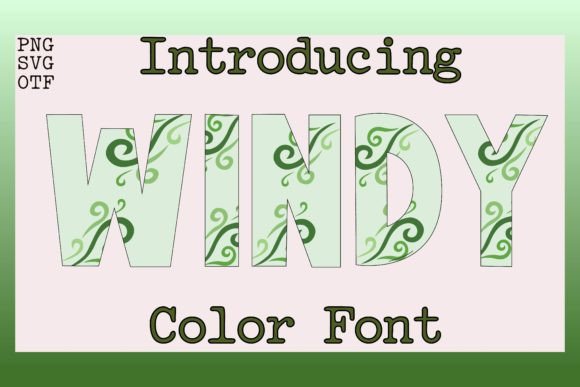
Looking for a typeface that instantly injects personality, charm, and a modern aesthetic into your creative projects? The Windy font is a compelling choice, offering a beautiful and bright appearance that sets a lively mood. This font is ideal for designs that need to feel approachable, elegant, and distinctly personalized, making it a versatile asset for designers aiming to capture attention and evoke specific emotions.
Understanding Windy's Role in Visual Communication
In the crowded landscape of graphic design, typography is a foundational pillar of effective communication. The Windy font excels in creating a strong visual hierarchy and emotional connection. Its flowing, often whimsical character shapes contribute to a sense of movement and friendliness, which can significantly enhance brand identity. When used thoughtfully, it helps brands appear more human and relatable, moving beyond sterile corporate aesthetics to foster genuine engagement.
Practical Applications for Creative Projects
The true value of a design asset like Windy lies in its practical application. Its cute yet elegant style makes it particularly effective for projects targeting audiences that appreciate warmth and creativity. Consider its use in the following areas:
- Branding and Logo Design: Windy can serve as a logotype or supporting font for brands in lifestyle, beauty, children's products, or artisanal food sectors. It helps craft an identity that feels personal and memorable.
- Social Media Graphics: In digital marketing, standing out is crucial. Using Windy for Instagram posts, Facebook ads, or Pinterest pins can boost engagement through its visually appealing and friendly character.
- Packaging Design: For products on a shelf, typography communicates at a glance. Windy can add a touch of whimsy and elegance to packaging, influencing purchase decisions by conveying a specific brand story.
- Editorial and Web Design: In magazine layouts or website headers, Windy can be used for titles and pull quotes to draw the eye and break up dense blocks of text, improving the overall user experience (UX) and visual interest.
Integrating Windy Effectively: Key Considerations
While a font like Windy offers great creative potential, successful integration requires strategic thinking. Always consider your overall design goals and audience expectations. Here are some tips for using it effectively:
- Prioritize Readability: Even the most beautiful font fails if it's hard to read. Use Windy for headlines, short phrases, or accent text rather than long paragraphs of body copy to ensure clarity.
- Maintain Visual Harmony: Pair Windy with a clean, neutral sans-serif or serif font for body text. This creates a balanced visual hierarchy, allowing Windy to shine as a decorative element without overwhelming the layout.
- Ensure Scalability: Test the font at various sizes, from a small favicon to a large banner. Ensure its character and legibility are maintained across different scales and media, from print design to digital screens.
- Align with Brand Systems: The font's personality should complement your existing color palette, imagery, and brand voice. A cohesive system strengthens brand identity and professional presentation.
Thoughtful design choices are what separate good work from great work. Incorporating a quality creative asset like the Windy font allows designers and creators to elevate their projects, ensuring they are not only visually stunning but also strategically effective. By selecting typography that aligns with a project's emotional tone and communication goals, you enhance both the aesthetic appeal and the functional clarity of your work, leading to more successful and engaging outcomes.