Exploring Rhino: A Playful Font for Creative Design
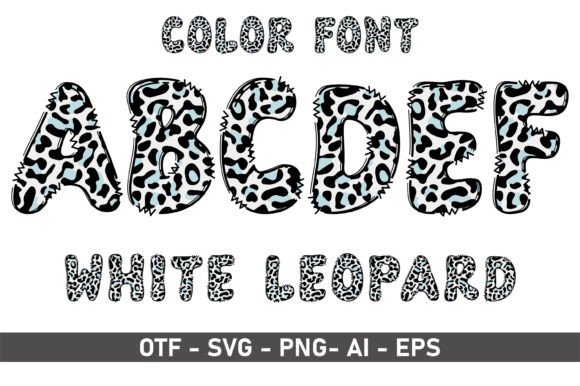
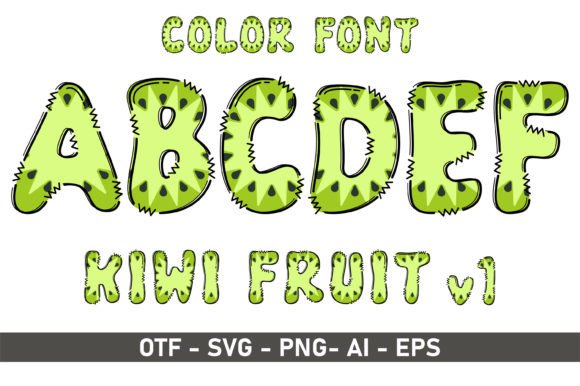
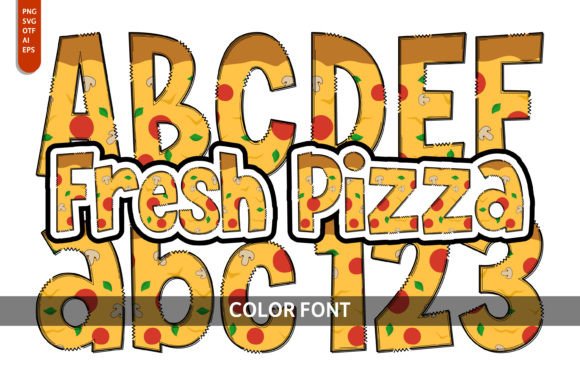
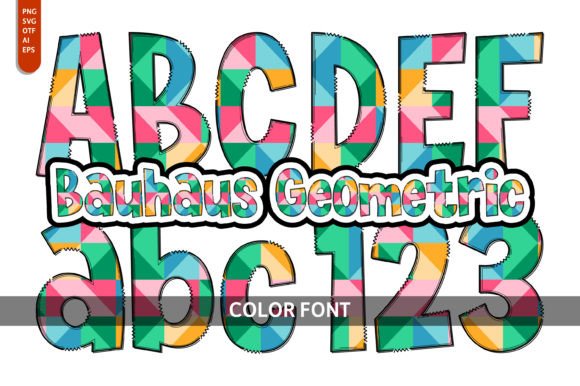
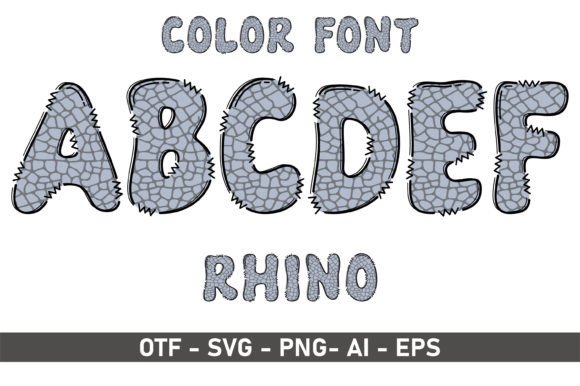
Imagine a typeface that doesn’t just hold words but infuses them with personality, energy, and a touch of whimsy. The Rhino font does exactly that, offering designers a powerful tool for projects that demand a playful or artistic flair. Its distinctive character makes it a standout choice for applications ranging from children’s books and vibrant posters to elegant invitations and heartfelt greeting cards, instantly elevating the visual story being told.
Understanding the Role of Playful Typography
In modern graphic design, typography is a fundamental pillar of visual communication. It goes beyond mere legibility to set the tone, convey emotion, and strengthen brand identity. Fonts like Rhino are crucial in this landscape because they provide an immediate aesthetic and emotional cue. When a child opens a book, the whimsical, often rounded forms of such fonts create an inviting and engaging reading experience. This careful selection directly impacts user engagement, making content more accessible and memorable for the intended audience.
Practical Applications Across Creative Projects
The versatility of a font like Rhino allows it to enhance a wide array of design projects. Its unique style contributes to a polished and professional result when applied thoughtfully.
- Branding and Logo Design: For brands targeting a family-friendly, creative, or youthful market, this font can form the core of a memorable logo and brand identity system.
- Marketing and Social Media Graphics: It grabs attention in digital marketing materials, social media posts, and advertisements, helping content stand out in crowded feeds.
- Editorial and Print Design: In children’s books, magazines, and poster design, it establishes a clear visual hierarchy and enhances the overall aesthetic appeal.
- Packaging and Merchandise: Product packaging for toys, crafts, or artisanal goods can leverage its character to communicate fun and quality, influencing purchasing decisions.
- Digital Products and UI Elements: While primarily for display, it can be used sparingly in web design or app interfaces for headings, buttons, or notifications to inject personality into the user experience (UX).
Tips for Effective Implementation
Selecting the right font is only the first step. To maximize its impact, consider these practical guidelines for your design workflow.
- Prioritize Readability: Always test the font at the intended size and on the target medium. What looks charming in a headline may lose clarity in smaller body text.
- Establish Visual Hierarchy: Use a playful font like Rhino for key elements like titles or call-to-action text. Pair it with a simpler, highly legible sans-serif or serif font for body copy to maintain balance and readability.
- Ensure Consistency: Integrate the font into your broader brand system. It should complement your color palette, imagery, and overall design style, not clash with them.
- Consider Scalability: Verify that the font renders well across different scales, from a small social media icon to a large printed banner, without losing its essential character or becoming distorted.
- Align with Audience Expectations: Always keep the end-user in mind. A playful font is perfect for a toy store but might undermine the authority of a financial services firm. The choice must align with the project’s goals and the audience’s expectations.
Ultimately, the strength of a creative asset like the Rhino font lies in its ability to transform a design from merely functional to emotionally resonant. By making thoughtful typography choices, designers and creators can significantly improve both the aesthetic quality and the communicative power of their work. Investing in high-quality, appropriate design assets is an investment in clearer communication, stronger branding, and a more engaging user experience across every touchpoint.