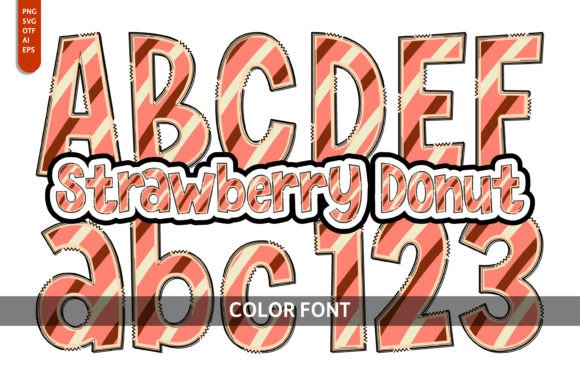
Strawberry Donut: A Sweet Design Element for Playful Branding
Imagine a visual element so instantly recognizable and joyful it can transform a simple layout into an invitation to smile. The Strawberry Donut, with its vibrant pink glaze and sprinkles, is exactly that—a versatile motif in modern graphic design that injects a dose of whimsy and warmth into any project. Far more than just a tasty treat, it serves as a powerful tool for designers aiming to create approachable, memorable, and engaging visual communication.
At its core, the Strawberry Donut represents a specific aesthetic: playful, colorful, and slightly retro. This makes it particularly effective in designs that target families, children, or audiences seeking a lighthearted escape. Its inherent charm is a cornerstone of effective brand identity, especially for businesses in the food, lifestyle, or entertainment sectors. By incorporating this motif, brands can immediately convey a sense of fun, indulgence, and creativity.
Practical Applications Across Design Disciplines
The utility of a Strawberry Donut-inspired design extends far beyond a single context. Its visual language adapts seamlessly to various creative projects, enhancing both digital and print mediums.
- Branding and Logo Design: A stylized donut can become the heart of a logo for bakeries, cafes, or children's brands, creating an instant emotional connection.
- Marketing Materials: From posters to flyers and invitations, this motif grabs attention and sets a festive, inviting tone for events or promotions.
- Social Media Content: In the fast-paced world of social media graphics, the bright, simple shapes and colors of a donut are highly engaging and shareable.
- Website and UI Design: As an illustrative element or icon, it can guide user experience, making interfaces feel friendlier and more intuitive, particularly in apps or sites for younger audiences.
- Packaging Design: For food products, toys, or party supplies, it offers instant shelf appeal and communicates the product's personality at a glance.
- Editorial Layouts and Presentations: Used as a decorative accent, it can break up text-heavy pages in magazines or add visual interest to a slide deck, improving visual hierarchy.
Integrating Playful Elements with Professional Polish
The key to using a whimsical element like the Strawberry Donut effectively is balance. It should enhance, not overwhelm, your design's primary message. Consider these factors for a polished result:
- Audience and Context: Ensure the playful tone aligns with your target demographic and the project's goals. It's perfect for a children's book poster but might be misplaced in a corporate financial report.
- Color Palette Harmony: The classic pink of the glaze pairs well with complementary pastels, bold primaries, or even neutral backgrounds. Use color theory to create a cohesive and visually pleasing scheme.
- Typography Pairing: Combine the motif with fonts that support the feel. Rounded, sans-serif typefaces often work well, maintaining readability while echoing the soft, friendly shapes of the donut.
- Simplicity and Scalability: Opt for clean, vector-based illustrations that remain crisp at any size, from a tiny favicon to a large banner. Avoid overly detailed rendictions that can clutter a design.
- Strategic Placement: Use it as a focal point or a subtle repeating pattern. Its effectiveness lies in its ability to draw the eye and create a positive association without competing with essential information.
Ultimately, choosing to incorporate a design element like the Strawberry Donut is a strategic decision about visual storytelling. It’s about selecting creative assets that do more than decorate—they communicate a specific brand personality and foster an emotional response. In a crowded visual landscape, such thoughtful choices in graphic design can significantly elevate a project's aesthetic appeal and communicative power, making your message not only seen but felt. Quality assets like these are investments in clarity, engagement, and lasting impression.