Sky Blue: A Playful Font for Creative Design Projects
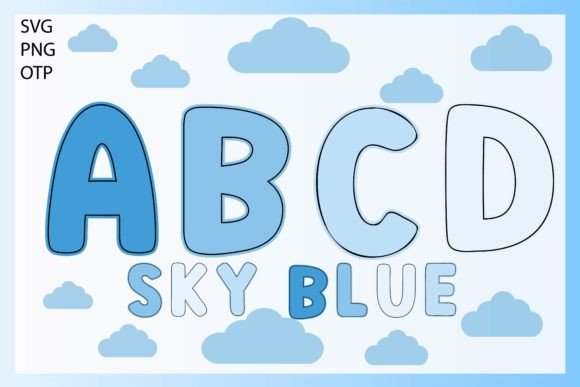
Every designer knows that the right typeface can instantly set the mood for a project, transforming a simple layout into a compelling visual story. Sky Blue is a neat and casual display font that embodies simplicity and is the perfect choice for any children's activity or school project. Its clean lines and approachable character make it an invaluable asset for creators seeking to infuse their work with a sense of youthful energy and clarity. In the realm of graphic design, selecting a font like Sky Blue is a strategic decision that directly influences visual hierarchy and audience engagement.
Understanding the Technical Edge
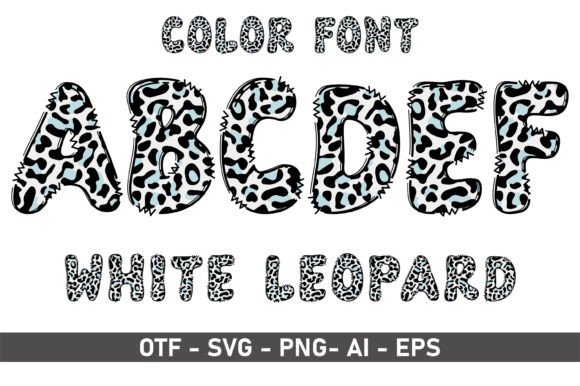
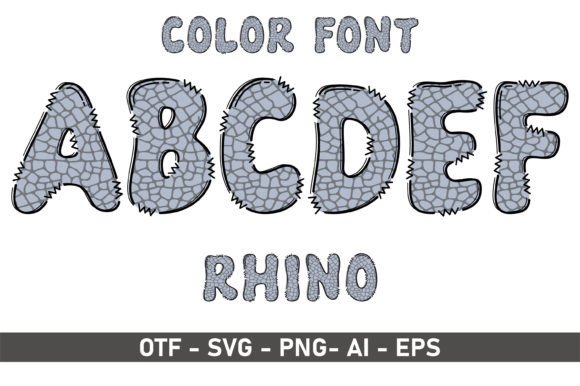
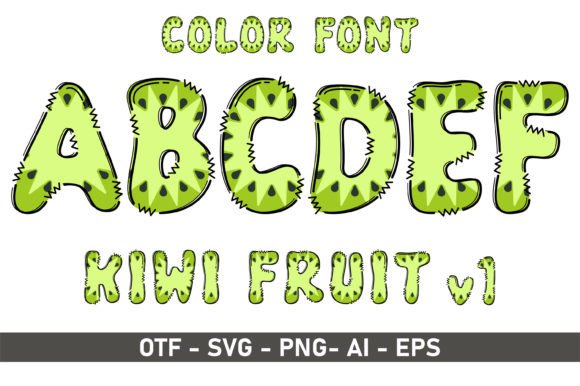
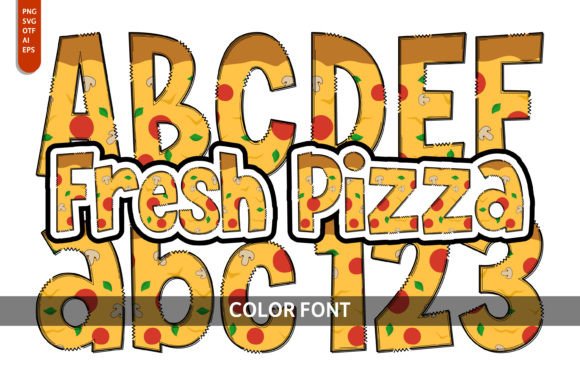
One of the most critical aspects of modern typography is file compatibility. It is important to note that Sky Blue is a color font, specifically utilizing OpenType-SVG technology. This format allows the font to contain multiple colors and gradients within a single glyph, creating a vibrant, textured appearance that traditional fonts cannot achieve.
For professionals, compatibility is key to a smooth design workflow. Sky Blue is fully compatible with industry-standard software including PhotoShop, Illustrator, Silhouette, and Inkscape. However, it is essential to understand the limitations: the OTF and/or TTF files of this product are not compatible with Cricut. Understanding these technical specifications ensures that your creative assets integrate seamlessly into your existing production pipeline.
Strategic Applications in Visual Design
While Sky Blue excels in educational contexts, its versatility extends across various sectors of digital marketing and visual communication. Its casual yet professional aesthetic makes it a strong contender for projects requiring a modern, friendly touch.
- Brand Identity and Logo Design: For brands targeting families or educational markets, Sky Blue offers a distinct personality. It helps establish a brand voice that is trustworthy yet fun.
- Social Media Graphics: In the fast-paced world of digital marketing, scroll-stopping typography is essential. The unique color properties of this font make it ideal for Instagram stories, Facebook ads, and Pinterest pins where visual impact is paramount.
- Packaging Design: When designing for children’s products or party supplies, the playful nature of Sky Blue can enhance shelf appeal and communicate the product's purpose instantly.
- Editorial Design: Use this font for headlines in magazines or newsletters focused on parenting, education, or creative hobbies to draw the reader’s eye.
Integrating Typography into Your Workflow
Effective typography is more than just choosing a pretty font; it involves understanding how letterforms interact with other design elements. When utilizing Sky Blue, consider the following principles to maximize its potential:
- Visual Hierarchy: Because display fonts are designed to catch attention, use Sky Blue primarily for headlines or subheadings. Pair it with a clean, legible sans-serif or serif font for body text to maintain readability.
- Color Palette Coordination: Since this is a color font, ensure the surrounding design elements complement its hues rather than clash with them. A balanced color palette will make the typography pop without overwhelming the viewer.
- Scalability: Test the font at various sizes. Display fonts often work best at larger scales where their unique details can be appreciated, ensuring your design remains professional across different mediums.
Ultimately, the success of any creative project relies on the thoughtful curation of design assets. By incorporating a specialized typeface like Sky Blue, you are not merely filling space on a canvas; you are enhancing the user experience and strengthening the message you wish to convey. Whether you are working on a school fundraiser, a children’s book cover, or a playful brand launch, choosing the right typography ensures your work is both visually striking and effectively communicated. Quality creative assets are the building blocks of professional presentation, allowing you to bridge the gap between a concept and a polished final product.