The Belgium Font: A Tribute to National Color in Design
In the world of graphic design, typography is not merely a vessel for text; it is a primary carrier of emotion and context. When typefaces incorporate color directly into their glyphs, they transcend traditional limitations to become powerful visual statements. The Belgium font stands out as a sophisticated example of this evolution, merging the structural elegance of letterforms with the vibrant tricolor palette of the Belgian flag. This unique approach to typography offers designers an immediate way to evoke national pride, European sophistication, or simply a bold, colorful aesthetic in their creative projects.
Understanding the Visual Impact of the Belgium Font
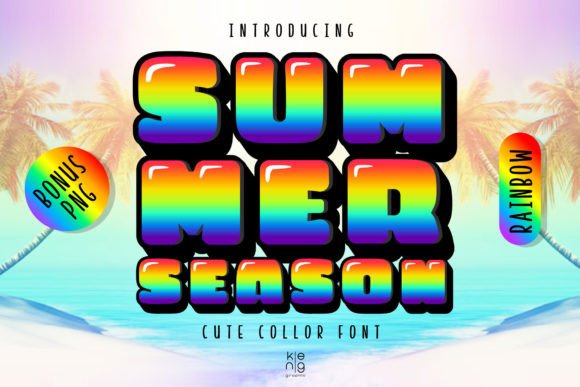
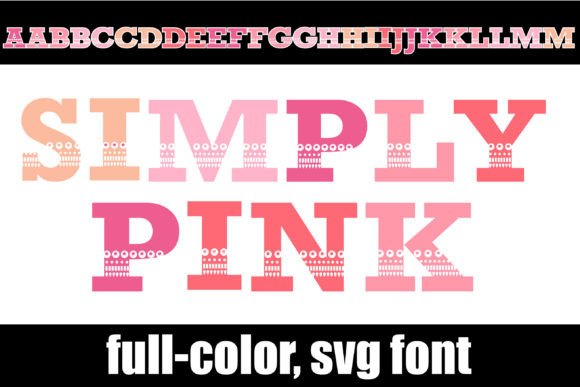
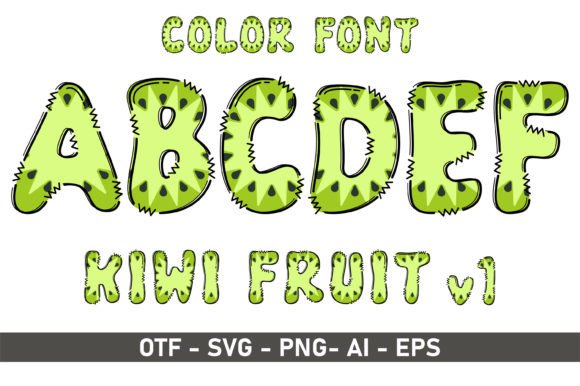
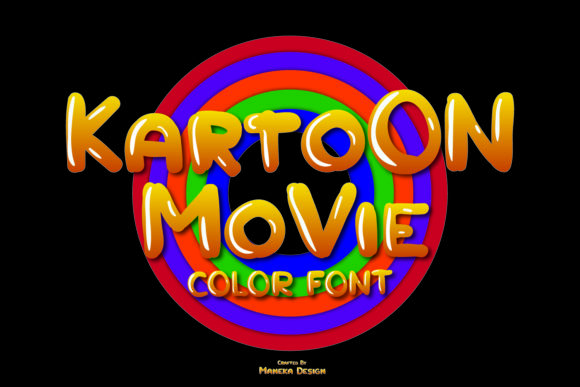
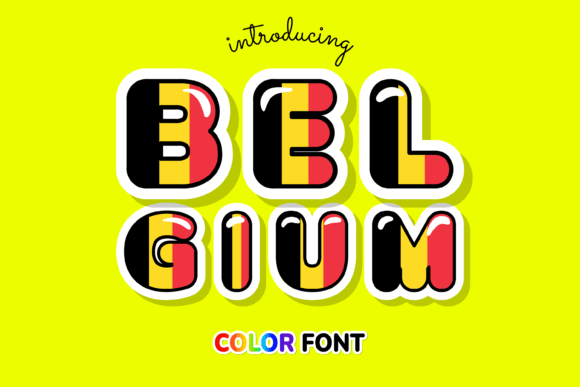
The defining characteristic of the Belgium typeface is its use of color font technology. Unlike standard monochromatic fonts, the Belgium font renders each character with the distinct black, yellow, and red bands associated with the Belgian flag. This creates a dynamic visual hierarchy before the viewer even reads the word. For designers focusing on modern aesthetics, this asset provides a solution that is both playful and professional. It captures attention instantly, making it an ideal choice for headlines, logos, and social media graphics where visual impact is paramount.
However, utilizing such a distinct typeface requires a strategic approach to visual design. Because the font carries inherent energy and pattern, it demands a clean background and balanced composition. When used effectively, it can strengthen brand identity by communicating a clear message of origin, quality, or connection to Belgian culture. It serves as a bridge between traditional national symbolism and contemporary digital marketing trends.
Practical Applications for Creative Professionals
The versatility of the Belgium color font extends across various sectors of the design industry. Whether you are working on a local branding project or an international advertising campaign, this font can serve as a focal point. Its utility goes beyond simple text replacement; it acts as a design element that integrates imagery and typography.
Here are several practical applications where the Belgium font excels:
- Branding and Logo Design: Use the font to create logos for businesses with Belgian roots, such as chocolatiers, breweries, or travel agencies. The color integration ensures the brand identity is instantly recognizable.
- Editorial and Web Design: In editorial layouts or UI design, the font can be used for pull quotes or section headers to break up text monotony and guide the user’s eye through the content.
- Packaging and Merchandise: For packaging design, particularly for imported goods or souvenirs, the font adds authenticity. It also translates well to merchandise like apparel or tote bags.
- Social Media and Digital Marketing: In the fast-paced environment of digital marketing, standing out is essential. The Belgium font creates scroll-stopping graphics for event announcements or holiday greetings.
Tips for Implementation and Readability
While the visual appeal of the Belgium font is high, readability must remain a priority. To maintain a professional presentation, consider the following design guidelines:
- Pair with Neutral Fonts: To avoid visual clutter, pair the Belgium font with a clean, sans-serif typeface for body text. This maintains a clear visual hierarchy and ensures the main message is not lost.
- Scalability Testing: Always test the font at various sizes. While color fonts are high-resolution, intricate details can become muddy on very small mobile screens or low-resolution prints.
- Color Harmony: Ensure the surrounding color palette complements the black, yellow, and red of the font. Neutral backgrounds like white, grey, or dark charcoal usually allow the typography to pop without clashing.
Ultimately, the Belgium font is more than just a novelty; it is a sophisticated creative asset that demonstrates how typography can embody cultural narratives. By integrating this font into your design workflow, you are not just adding text to a canvas; you are injecting history, color, and personality into your visual communication. For designers aiming to create memorable, high-quality content, selecting the right typography is the cornerstone of success, and assets like the Belgium font make that task both easier and more inspiring.