Pastel Bow: Elevating Designs with a Unique Color Font
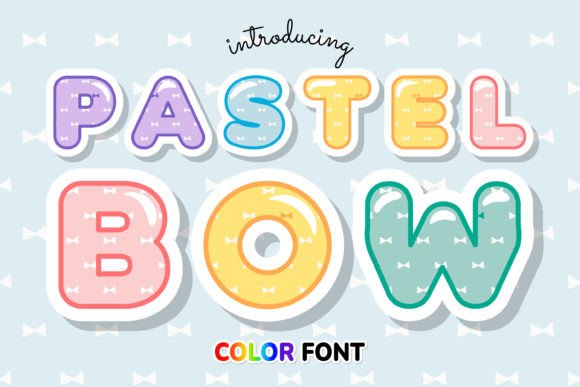
In the evolving landscape of graphic design, typography has transcended mere text to become a powerful visual element in its own right. One standout example is Pastel Bow, a color font designed with a distinctive bowtie pattern that offers designers a fresh way to incorporate texture, pattern, and color directly into their typefaces.
Understanding the Pastel Bow Color Font
Pastel Bow is an OpenType-SVG font, a format that embeds color and graphic data directly into the font file. This technology allows each character to display complex patterns and multiple colors, moving beyond the limitations of traditional single-color fonts. The bowtie pattern integrated into Pastel Bow creates a soft, textured aesthetic that can instantly add depth and visual interest to a project. Its cool color palette aligns with contemporary design trends favoring gentle, approachable hues.
Practical Applications in Modern Design
The unique character of Pastel Bow makes it a versatile creative asset across numerous applications. Its primary strength lies in projects where typography needs to function as a decorative graphic element.
- Branding and Logo Design: Use Pastel Bow for wordmarks or brand names where a playful, artisanal, or feminine touch is desired. It can help a brand stand out with an immediately recognizable typographic signature.
- Marketing Materials: Create eye-catching headlines on flyers, posters, or digital ads. The patterned font draws the viewer's attention and conveys a specific mood or style.
- Social Media Content: Generate scroll-stopping graphics for Instagram, Pinterest, or Facebook. Its visual complexity performs well in image-centric feeds, enhancing engagement.
- Packaging and Merchandise: Apply to product labels, boxes, or merchandise like tote bags and apparel. The font's decorative nature can elevate perceived value and appeal to target demographics.
- Digital Products and Editorial Design: Use in e-book covers, magazine layouts, or website hero sections to create a focal point that guides the viewer's eye and establishes a strong visual hierarchy.
Integrating Pastel Bow into Your Design Workflow
Successfully incorporating a specialized font like Pastel Bow requires thoughtful consideration of its context and compatibility. Here are key factors to evaluate:
- Audience and Brand Alignment: Ensure the font's playful, patterned aesthetic resonates with your target audience and reinforces—rather than contradicts—your brand identity's core message.
- Readability and Hierarchy: Due to its intricate design, Pastel Bow is best suited for short, impactful text like headlines, logos, or call-to-action phrases. Pair it with a clean, simple sans-serif or serif font for body copy to maintain clarity and a balanced visual hierarchy.
- Color and Composition: Leverage the font's inherent color palette. Extract its pastel shades to build a cohesive color scheme for the entire design. Ensure sufficient contrast against background colors for legibility.
- Technical Compatibility: Remember that as an OpenType-SVG font, it has specific software requirements. It works seamlessly in applications like Adobe Photoshop, Illustrator, and Inkscape, but is not compatible with some cutting machines like Cricut using standard OTF/TTF files. Always verify compatibility with your design software before purchasing.
Thoughtful typography is a cornerstone of effective visual communication. Choosing a creative asset like Pastel Bow is not just about aesthetic appeal; it's a strategic decision that can define a project's personality, enhance user experience, and communicate brand values instantly. By selecting high-quality, compatible design elements and integrating them with purpose, designers and creators can produce work that is not only beautiful but also strategically sound and professionally polished.